Tuesday 22 July 2025
Guide to Buying a Used Kitchen
Buying a used kitchen might not be the first thing that comes to mind when planning a renovation, but it’s quickly becoming one of the smartest ways to upgrade your space without overspending. Whether you’re doing a full remodel or just refreshing part of your layout, a second-hand kitchen can offer a cheaper option and you can do your bit for sustainability, without compromising on finish or style, in fact you can often get more for your money.
But how do you actually go about buying one? Here’s a simple, step-by-step guide to buying a used kitchen (including an ex-display kitchen) that can help you navigate the process.
Step 1: Know What You Need
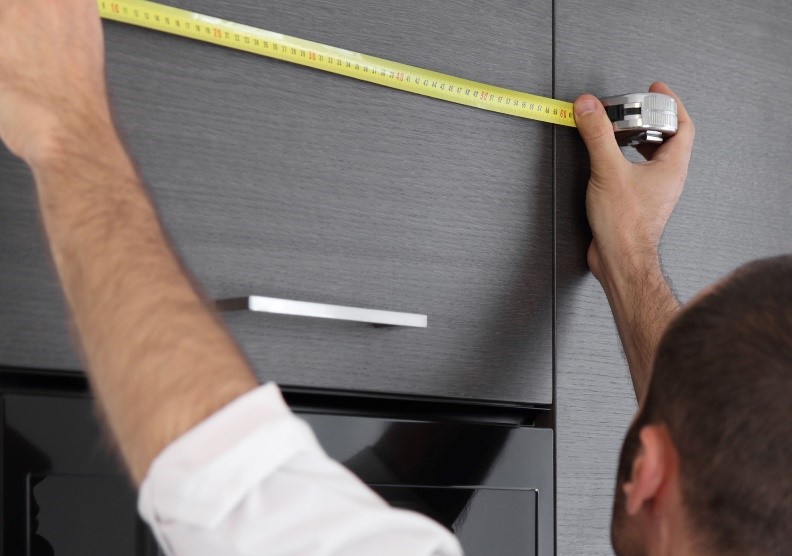
Before you begin your research, take the time to understand what your space requires. Measure the dimensions of your kitchen – run lengths, ceiling height, doorways, and window placements. Think about what’s staying (like plumbing and electrical points) and what can be moved.
Having a clear idea of your layout will help you narrow down your options and avoid falling in love with a kitchen that just won’t fit your space.

Step 2: Set a Realistic Budget
Used kitchens can save you serious money, but there are still costs to consider beyond the purchase price. You might need extra units, new worktops, or modifications to make everything fit. Dismantle, transport and installation also need to be considered. It’s a good idea to split your budget, into kitchen purchase, additional expenses, and the dismantle/installation.

Step 3: Start Browsing, Smartly
There are now hundreds of used and ex-display kitchens available online. Some are advertised on eBay and Facebook Marketplace, and others are on more specialised platforms. Look for listings with detailed measurements, and a clear inventory of what’s included (e.g., spec of measurements, materials, plans, photos and most importantly any wear and tear/damage). Whenever possible view the kitchen prior to purchase, if this is not possible, request a video.
Step 4: Ask Questions
Once you find a kitchen you like, don’t hesitate to ask the seller questions. The more you know now, the fewer surprises later.
Questions can include :
- The age of the kitchen?
- Is there any damage?
- Can you view?
- What is the access like (are there stairs involved)?
- Do appliances come with warranties?

Step 5: Think Creatively About Fit
Rarely will a used kitchen slot perfectly into your space, but that’s okay. A skilled fitter or carpenter can reconfigure units to work in your layout. Buying a slightly larger kitchen than needed gives you more flexibility and spare parts for modifications, filler panels, or bonus storage.
You can also mix in new elements, like custom worktops or a contrasting island, for a tailored look that personalises your new kitchen.

Step 6: Dismantle and Transport
Some sellers offer delivery and dismantling as part of the package, others don’t. Make sure you know who’s responsible for what. You’ll likely need a professional installer or kitchen fitter to help fit the kitchen in your home. Planning this ahead of time avoids delays once the kitchen arrives.
Step 7: Add the Finishing Touches
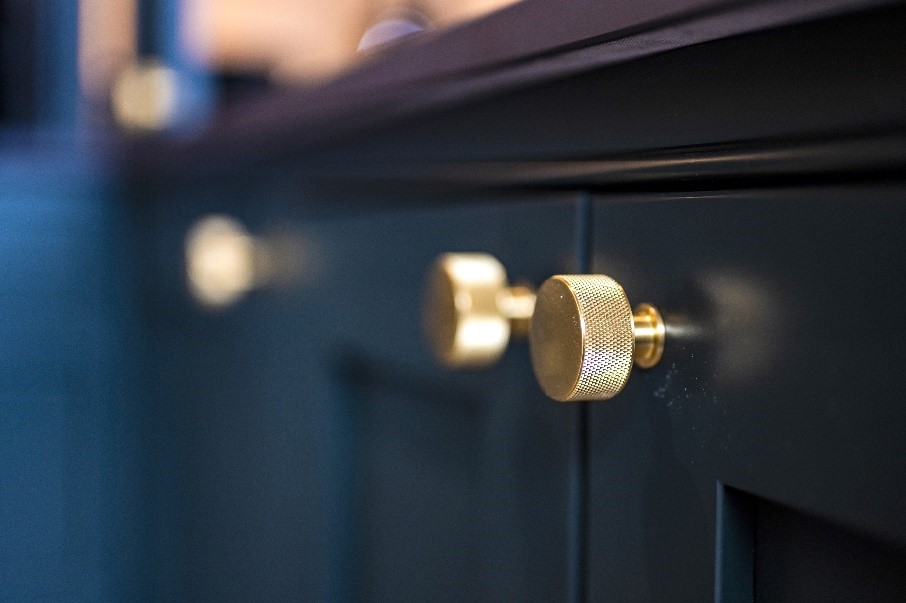
Once the core kitchen is in place, it’s time to make it yours. New handles, a fresh coat of paint on walls or cabinets, or updated lighting can completely transform the space.

Why It’s Worth to Buy a Second hand Kitchen
Beyond saving money, buying a used kitchen is a greener way to renovate. You’re helping reduce waste and lower demand for new manufacturing, all while getting a high-quality kitchen that might otherwise have ended up in landfill. It’s a win win, for your wallet and the planet.
Buying a used kitchen may take a bit more work than ordering from new, but the payoff is worth it. With careful planning, a bit of creativity and a good fitter, you can end up with a beautiful kitchen that costs less and does more.